


Sonic Runners Adventure game
4.42.01K Reviews
App Specs
- Version
- 1.0.4a
- Updated On
- License
- $2.99
- Downloads
- 100,000+
- Developer
- Gameloft SE
- Categories
- Adventure
- Platform
- Android, iOS
Screenshots
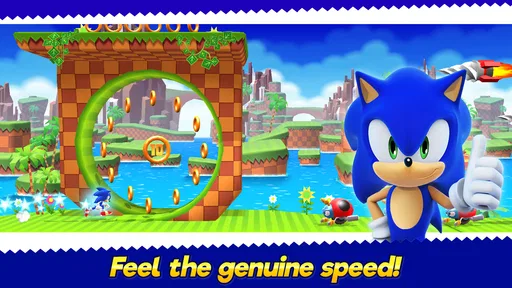


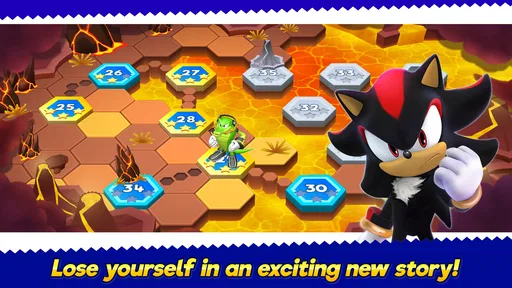

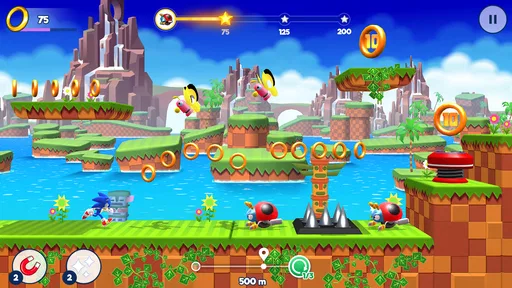
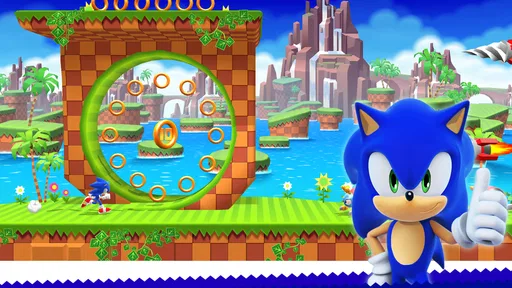

 Analysis by AppCompare
Sonic Runners Adventure is an adventure game built around quick movement, timing, and the familiar rhythm of guiding Sonic through platforming stages. I found it easiest to understand when I stopped treating it like a traditional stop-and-start platformer. Sonic is constantly moving, so the real challenge is reading the path ahead, choosing the right moment to jump, and staying calm when the level begins to speed up.
That design makes it a good fit for short play sessions. I can pick it up while waiting for an appointment, play through a few attempts, and put it down without needing to remember a complicated control scheme. At the same time, the automatic forward movement means it is less relaxing than it first appears. The controls are simple, but the timing can become demanding when obstacles arrive close together.
Gameloft SE presents this as a paid mobile adventure game rather than a free download supported by constant interruptions. It costs $2.99, carries an Everyone rating, and supports devices running Android 7.0 or later. The current version is 1.0.4a, and the game was released on Dec 20, 2017. Those details make it especially appealing to someone who wants a focused Sonic experience instead of a large, constantly changing mobile game.
What the first few minutes feel like
The opening experience is deliberately direct. You are not asked to learn a large collection of menus before playing. The important idea is visible almost immediately: Sonic runs forward, and I need to make him jump at the right time. That clarity matters because the game’s difficulty does not come from complicated rules. It comes from reacting correctly while the scenery and hazards keep moving toward me.
My first useful adjustment was to watch the shape of the level instead of staring only at Sonic. Looking slightly ahead gives more time to recognize gaps, raised platforms, and objects that need to be cleared. If I focus too closely on the character, I tend to react late. This is one of the first practical habits I would recommend to a new player: use Sonic as a reference point, but read the route in front of him.
The game feels most natural in portrait-style, one-handed sessions, although the best grip depends on the device. I prefer holding the phone securely with one hand and keeping the other finger ready for quick taps when I want more control. On a larger screen, both hands can make the action easier to follow, but the extra size does not remove the need for accurate timing.
It is worth approaching the first run as a learning attempt rather than expecting a clean finish. The early stages teach their rhythm through repetition. A failed jump is useful if I pay attention to why it happened: perhaps I reacted to the edge of a platform rather than the landing point, or perhaps I jumped too early and reached the next obstacle while still descending.
Worth Reading Before You Choose

EA SPORTS FC Mobile 26 Is a Bigger Football Game, but It Takes Time

Flipboard Shows What News Apps Must Do Beyond the Feed

Switching to Android Auto Means Rethinking Your Driving Routine

Google Calendar Makes a Crowded Week Easier to Manage

Ludo King Makes the Most of the Minutes Between Plans

Baby Panda World Brings Quick Play to Modern Phones, but Its Game Library Feels Busy
The most reassuring part for a first-time player is that progress comes from learning the route, not from mastering a complicated control system. Once the basic timing starts to feel familiar, the game becomes less about guessing and more about recognizing patterns in the level design.
Setting up a comfortable first session
Installation is straightforward for a compatible Android device, but I would still make a few small preparations before beginning. Close anything that makes the phone feel sluggish, clean the screen, and choose a place where you can concentrate for a few minutes. Precision platforming is much less enjoyable when a notification covers the action or when a finger keeps slipping across a dusty display.
Because the game is paid, the decision is simpler than with many free Sonic-style runners. I do not approach it expecting a long list of daily tasks or a store full of distractions. The price is modest, but it is still sensible to know what kind of experience you are buying: a compact, action-focused adventure rather than an endless collection of unrelated mobile activities.
The age rating of Everyone makes it suitable for a broad audience, including younger players who already understand basic touch controls. I would still expect an adult to help a very young child with the first few attempts, not because the controls are difficult to explain, but because the constant movement can be frustrating when a mistake happens repeatedly.
One detail that helped me was adjusting my expectations about speed. Sonic’s identity is tied to fast movement, but playing well does not mean tapping as quickly as possible. Random, hurried taps usually make the character land in worse positions. A better workflow is to observe, make one deliberate input, and immediately prepare for the next section.
How to reach the first meaningful success
The first meaningful success is not simply starting a level. It is completing a section while making deliberate choices rather than surviving by luck. To reach that point, I suggest using the opening attempts to identify three things: where the first safe landing is, which obstacles require an early jump, and where the level changes its rhythm.
When a platform appears after a gap, aim for its middle instead of its nearest edge. Landing near the edge may technically work, but it leaves less room to recover from the next obstacle. This small change made my runs more consistent because I was preparing Sonic for what came after the jump instead of treating every landing as the end of a problem.
Another useful technique is to avoid holding a single mental plan for the entire stage. The route should be divided into short decisions. I watch the next obstacle, choose the timing, then immediately scan the following space. This prevents the common mistake of celebrating a successful jump for too long and missing the hazard that follows it.
If a run fails in the same place, do not simply restart and repeat the exact input. Change one variable. Try jumping a little earlier, wait a fraction longer, or approach the previous platform from a different position. Since the game is built around movement and timing, small changes can reveal whether the problem is the jump itself or the position from which Sonic begins it.
For a child or casual player, this approach also makes the game less discouraging. Instead of saying, “I cannot pass this level,” the player can identify one specific action to improve. That turns repetition into practice. In my experience, the first complete section feels much more satisfying when it comes from that kind of adjustment.
Where new players commonly get confused
The biggest source of confusion is assuming that simple controls mean simple decisions. Sonic may only need a small number of inputs, but each input affects his position while he is moving forward. A jump is not just a way to leave the ground; it determines where he will be when he comes down, and that landing position can make the next obstacle easy or nearly impossible.
New players may also mistake speed for progress. Moving quickly through a section feels exciting, but rushing without looking ahead often causes avoidable failures. I had better results when I treated speed as something to manage through timing rather than something to chase through frantic tapping.
Another confusion comes from the difference between recognizing an obstacle and reacting to it. Seeing a gap is not the same as having enough time to clear it. The best response often begins before the obstacle looks urgent. If I wait until Sonic is directly beside the hazard, the correct jump may already be late.
It is also easy to blame the controls after a missed landing. Sometimes that criticism is fair, especially if the screen is small or a finger blocks part of the view. But many failed attempts are caused by starting the jump from a poor position. Before deciding that a control feels unreliable, I try approaching the same obstacle from a more central spot on the previous platform.
Players who expect a conventional Sonic game may need time to adjust as well. This is not the same as a console platformer where I can stop, explore every corner, and choose exactly when to move. The automatic forward flow gives the game its mobile identity, but it also removes some freedom. If you enjoy careful exploration more than quick reactions, this may feel restrictive rather than exciting.
Small habits that make later attempts better
One of the most useful habits is to remember the moment of failure, not just the obstacle’s appearance. If I fail while descending, the jump probably began too late or from too far back. If I clear the obstacle but land awkwardly, the issue may be the starting position. This simple diagnosis is more effective than replaying the level with the vague goal of “being faster.”
I also recommend playing with a consistent grip. Moving the phone between hands or changing finger placement during a difficult section can introduce accidental taps. A stable grip gives the timing a fair test. This is particularly important on smaller phones, where the display leaves less visual space around Sonic and the upcoming route.
Short sessions are surprisingly useful. When I keep repeating the same section while frustrated, I start reacting emotionally instead of observing the level. Taking a brief break and returning with a clear goal—such as improving one jump—usually produces better results than forcing a long session.
For younger players, an adult can turn the game into a simple timing exercise. Rather than taking over the controls, it is better to ask the child what they see ahead and when they think Sonic should jump. That keeps the achievement with the player and teaches the visual skill the game actually demands.
Who will enjoy it, and who may prefer another game
I would recommend this adventure to Sonic fans who want a compact game centered on running and jumping. It is also a good choice for players who like retry-based challenges, where each failed attempt teaches something and the satisfaction comes from improving a familiar section.
It works well for a realistic everyday scenario such as a short commute or a waiting room. I can play a few attempts without committing to a lengthy story session, and the central mechanic is clear enough to understand even when I have not played for several days. The paid format also suits someone who would rather make one small purchase than manage a free game filled with ongoing prompts.
However, I would not choose it for someone looking for a slow, exploratory adventure. The forward motion leaves little room to pause and inspect the environment. I would also hesitate to recommend it to players who dislike repeating sections after mistakes, because improvement depends on trying again and refining timing.
Compared with endless runner alternatives, this feels more directed because the focus is on platforming decisions instead of simply surviving for as long as possible. Compared with traditional Sonic platformers, it is more immediate and less flexible. That trade-off is the key to deciding whether it belongs on your phone: you gain quick sessions and accessible controls, but you give up some of the freedom associated with a larger, stop-and-explore platform game.
What to do after the first clear
Once I can complete an early section reliably, the next step is not to rush through every stage. I get more from the game by improving consistency. Try to repeat a successful route while paying attention to why it worked. Did Sonic land near the center? Did you jump before the obstacle became urgent? Turning a lucky clear into a repeatable technique is where the game begins to feel rewarding.
It is also worth setting a personal goal for each session. One day, that might be completing a stage without panicking at the fastest section. Another day, it might be reaching a difficult platform from a better starting position. Specific goals keep the game engaging without making every attempt feel like a test of perfection.
The version installed on my compatible device is 1.0.4a, and the game remains a fairly focused experience. I would not approach it expecting the broad scope of a large modern adventure game. Its appeal is narrower and clearer: Sonic’s movement, platforming routes, quick reactions, and the satisfaction of turning a failed jump into a successful one.
The rating of 4.4 from around thirteen thousand ratings suggests that the game has found an audience, while its install count of over one hundred thousand shows that it has reached plenty of Android players. I treat those figures as useful context rather than a substitute for personal preference. A player who enjoys fast platforming may understand the appeal immediately, while someone who wants exploration may still find the same design limiting.
My final view is positive, with one important qualification: this is best enjoyed as a timing-focused Sonic platformer, not as a full replacement for a traditional console adventure. The $2.99 price is reasonable for the focused format, the Everyone rating makes it approachable, and Gameloft SE keeps the central idea easy to grasp. If you want quick runs, recognizable character movement, and a clear path from first attempt to earned improvement, I think it is worth considering. If automatic forward motion frustrates you, another platformer with freer movement will be a better match.
For a first-time user, my advice is simple: install it on a supported device, begin with the goal of learning rather than winning, watch the route ahead, and change one timing decision whenever you fail. That approach makes the opening feel manageable and gives the game a fair chance to show its strongest quality—the small but genuine satisfaction of finally clearing a section that looked impossible a few attempts earlier.
Pros
- Fast-paced platforming feels responsive and exciting.
- Playable Sonic characters offer varied abilities and play styles.
- Bright visuals and lively animations suit the Sonic universe.
- Short levels make it easy to play during quick breaks.
- Offline play is convenient when no internet connection is available.
Cons
- Some stages can feel repetitive after extended play sessions.
- Difficulty spikes may frustrate players without precise timing.
- Touchscreen controls are less comfortable than physical buttons.
- The game may require considerable storage on older devices.
- Certain content or features may depend on in-app purchases.
FAQs for Sonic Runners Adventure game
What is Sonic Runners Adventure?
Sonic Runners Adventure is a fast-paced platform runner featuring Sonic and other familiar characters from the Sonic universe. You guide Sonic through colorful side-scrolling levels, collect rings, avoid hazards, defeat enemies, and use special abilities to keep moving. Unlike many endless runners, the game focuses on structured stages, objectives, and progression rather than an endless single run.
Is Sonic Runners Adventure free to download and play?
Sonic Runners Adventure is generally offered as a paid mobile game, although availability, pricing, and included content can vary depending on the country and the Android or iOS store listing. Because it is not always distributed in the same way as free-to-play Sonic titles, users should check the current store page before downloading and review whether any optional purchases or additional content are mentioned.
Does the game require an internet connection?
The game is designed primarily as a mobile platform adventure, but connection requirements can depend on the version installed and the device being used. Some gameplay may be available offline after installation, while downloading the game, verifying ownership, receiving updates, or accessing certain features may require internet access. It is best to launch it once online before traveling or playing without a connection.
What gameplay and controls does Sonic Runners Adventure offer?
Sonic runs automatically through each level, while you control his actions with simple touch commands. Depending on the situation, you can jump, change direction, attack enemies, collect rings, and activate character abilities. The controls are easy to understand, but later stages demand accurate timing because platforms, traps, enemies, and gaps appear quickly. Headphones and a responsive touchscreen can improve the experience.
Is Sonic Runners Adventure suitable for children and older Sonic fans?
Sonic Runners Adventure is suitable for players who enjoy colorful arcade platformers and straightforward action, including many younger fans. However, some stages become challenging and may require repeated attempts to master their layouts and timing. Parents should still check the current age rating, privacy information, and store details, especially if the device is shared or has payment methods enabled.


